
The Mogalmari Site: A Living Classroom
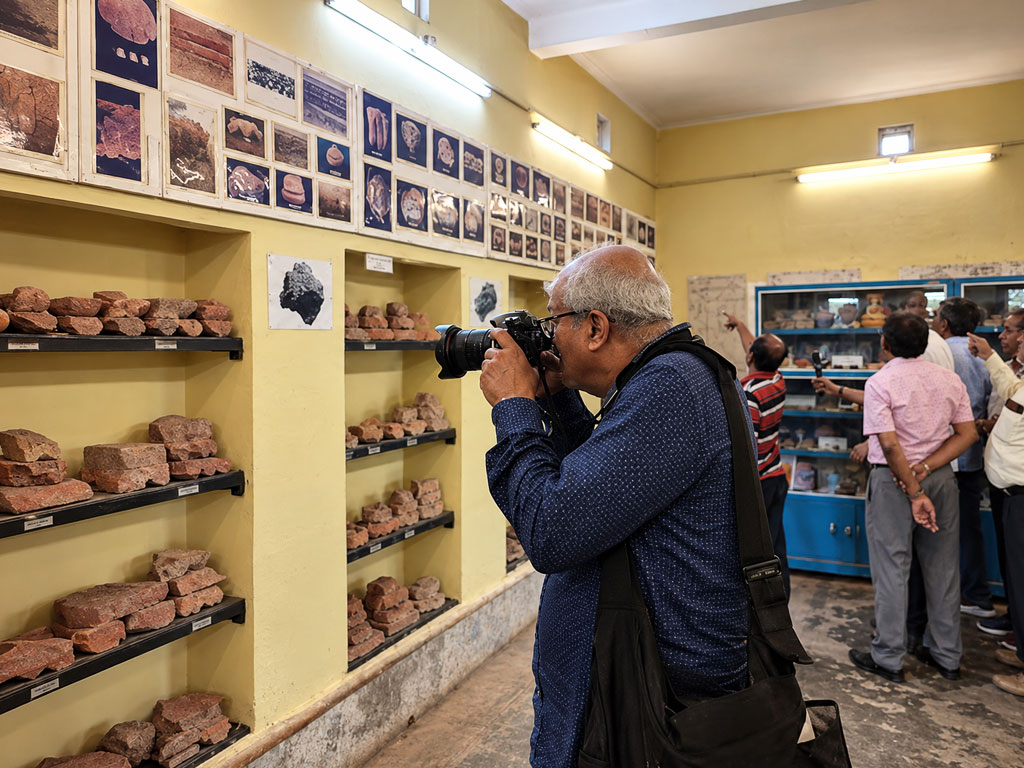
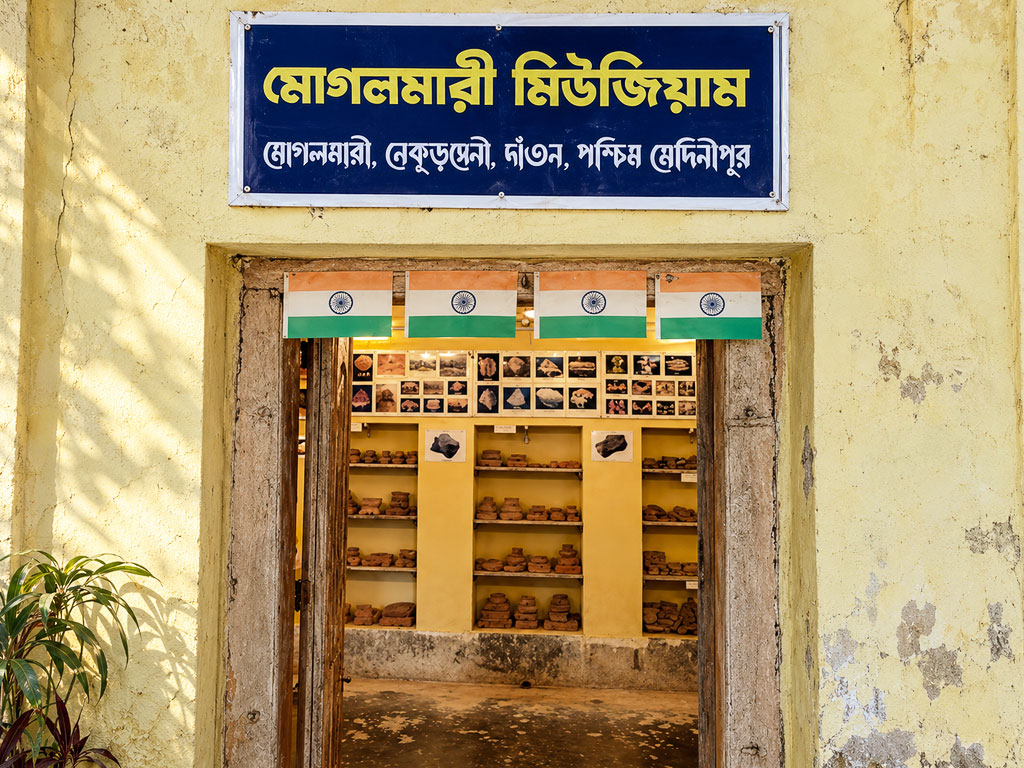
A visit to Mogalmari is not just a trip to an archaeological site; it’s a journey through time, an immersive experience that brings the rich history of Buddhism in Bengal to life. The Mogalmari Buddhist Association envisions the Dantapur Museum as a crucial component of this experience, serving as a repository of knowledge, a center for interpretation, and a gateway to understanding the profound significance of the Mogalmari discoveries.
The Mogalmari Site: A Living Classroom
The Mogalmari site itself is the primary attraction, an open-air museum where visitors can walk in the footsteps of ancient monks and scholars. Exploring the excavated remains of the 6th-century monastery, with its intricate structures and evocative atmosphere, provides a tangible connection to the past.
A typical visit to the Mogalmari site might involve:
- Guided Tours: Knowledgeable guides, trained by the Mogalmari Buddhist Association, lead visitors through the site, providing historical context, archaeological insights, and explanations of the various structures and artifacts.
- Interactive Displays: Strategically placed information panels, maps, and possibly even virtual reality experiences, help visitors visualize the site’s original appearance and understand its function within the broader context of Buddhist history.
- Viewing the Excavations: Visitors can witness ongoing archaeological work (if any), gaining a firsthand appreciation for the meticulous process of uncovering and preserving the past.
- Meditation and Reflection: Designated areas for meditation and quiet reflection allow visitors to connect with the spiritual essence of the site and experience the tranquility that once permeated the monastic complex.
The Dantapur Museum: A Complementary Narrative
While the Mogalmari site offers an invaluable on-site experience, the Dantapur Museum serves as an essential complement, providing a more structured and in-depth understanding of the site’s history and significance.
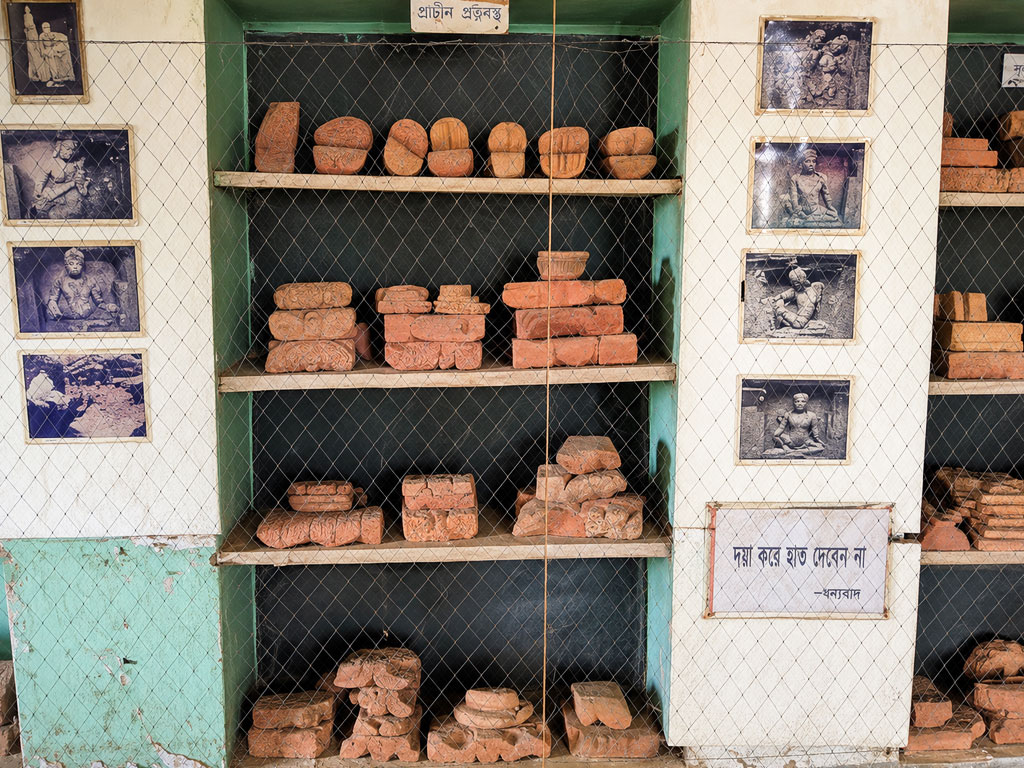
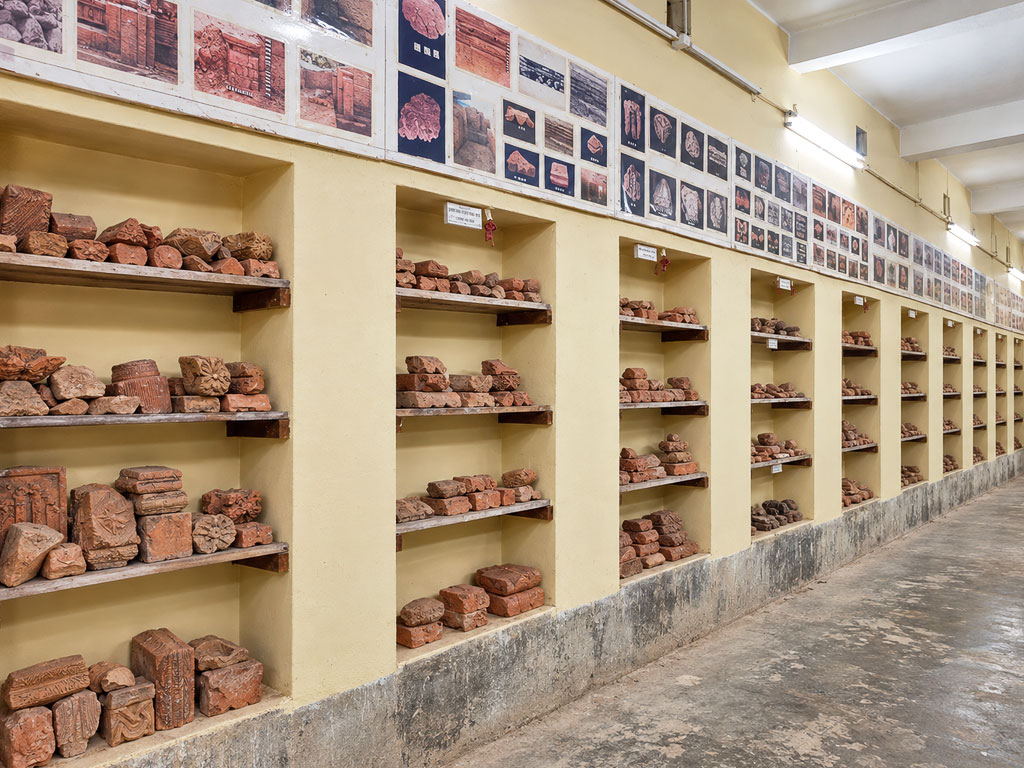
The Mogalmari Buddhist Association envisions the Dantapur Museum as a state-of-the-art facility that houses and interprets the artifacts unearthed at Mogalmari, along with other relevant materials related to the history of Buddhism in the region.
The museum’s role extends beyond simply displaying artifacts; it aims to:
Contextualize the Discoveries
The museum provides a broader historical and cultural context for the Mogalmari finds, connecting them to the wider development of Buddhism in India and its spread to other parts of Asia.
Read MoreTell the Story of Mogalmari
The museum narrates the story of Mogalmari, from its origins as a Post-Mauryan settlement to its flourishing as a center of Buddhist learning and its eventual decline.
Read MoreShowcase the Art and Craftsmanship
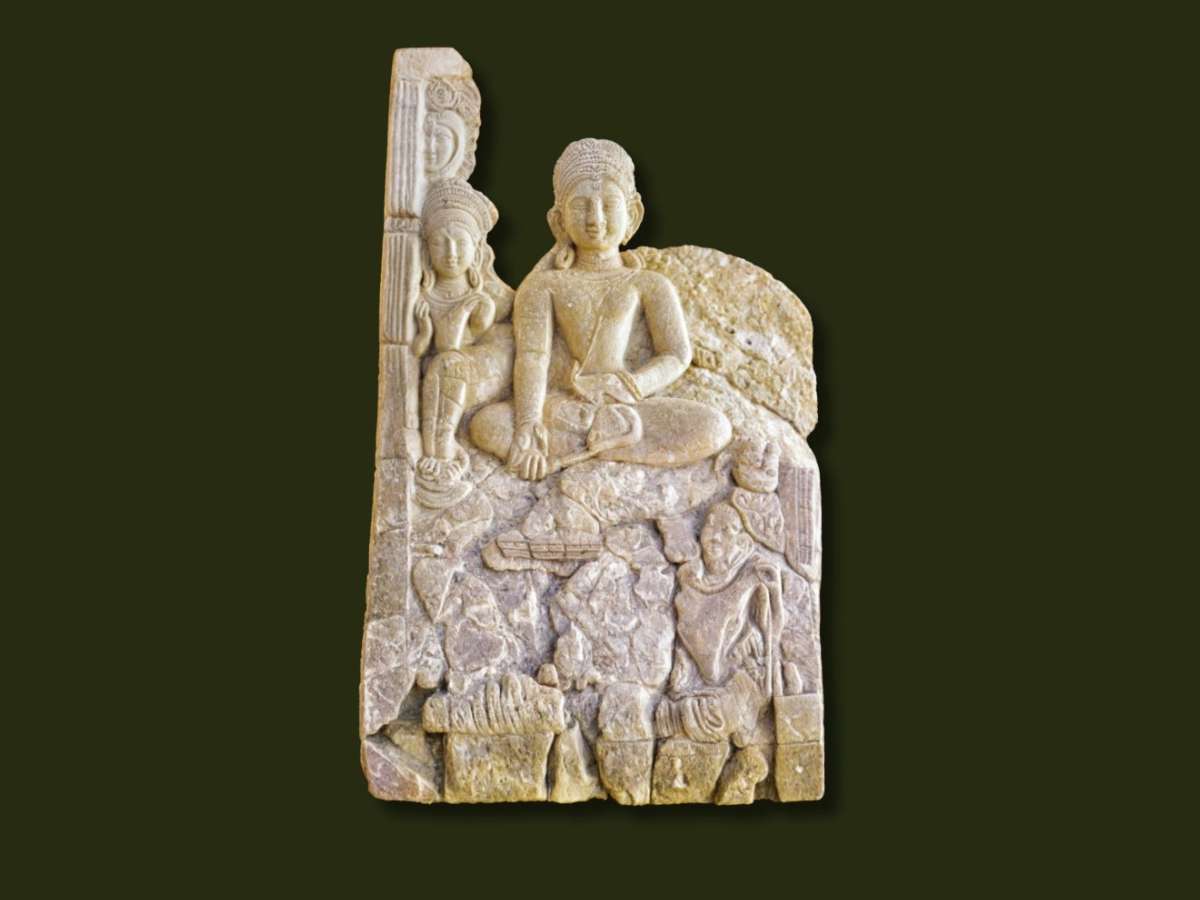
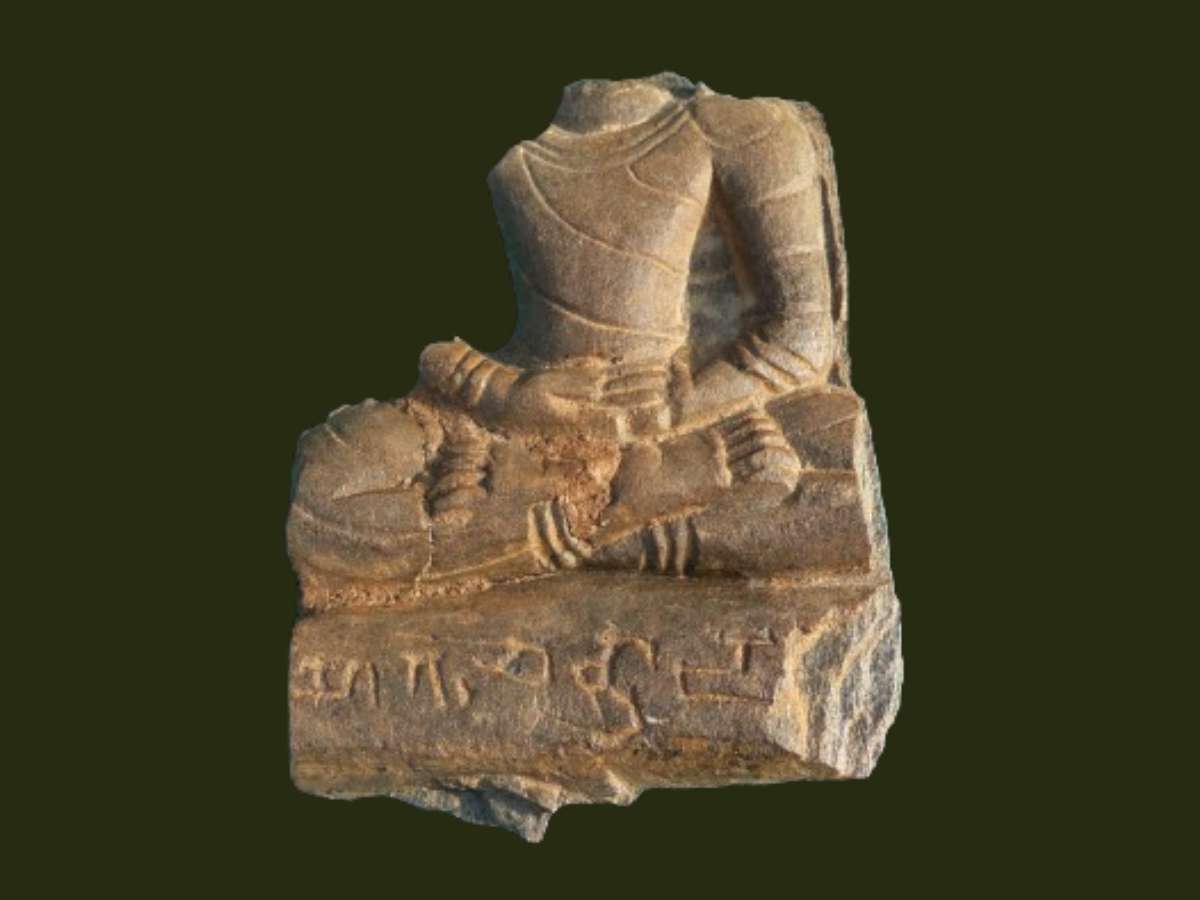
The museum highlights the artistic and technical skills of the people who inhabited Mogalmari, showcasing the intricate details of the bronze images, stucco decorations, and other artifacts.
Read More
Promote Buddhist
Philosophy
The museum explores the core tenets of Buddhist philosophy and their relevance to the daily lives of the monks and laypeople who lived at Mogalmari.
Read MoreFacilitate Research and Education
The museum serves as a resource center for scholars, students, and researchers, providing access to primary source materials, research findings, and educational programs.
Read MoreKey Features of the Dantapur Museum
The Mogalmari Buddhist Association envisions the Dantapur Museum incorporating several key features:
- Exhibition Galleries: The museum would feature thematic galleries showcasing the artifacts from Mogalmari, arranged chronologically or thematically to tell a compelling story.
- Interactive Displays: The use of interactive displays, multimedia presentations, and virtual reality experiences would engage visitors of all ages and learning styles.
- Educational Programs: The museum would offer a range of educational programs, including lectures, workshops, and guided tours, tailored to different audiences.
- Research Facilities: The museum would house a library, archive, and research center, providing resources for scholars and researchers studying the history of Mogalmari and Buddhism in the region.
- Conservation Laboratory: A dedicated conservation laboratory would ensure the long-term preservation of the artifacts, allowing visitors to witness the meticulous work of preserving cultural heritage.
Enhancing the Visitor Experience
The Dantapur Museum would significantly enhance the visitor experience at Mogalmari, providing a more comprehensive and enriching understanding of the site’s history and significance. By combining the on-site experience with the museum’s interpretive resources, visitors would gain a deeper appreciation for the Mogalmari site and its place in the broader context of Buddhist history and culture.