
Mogalmari Today
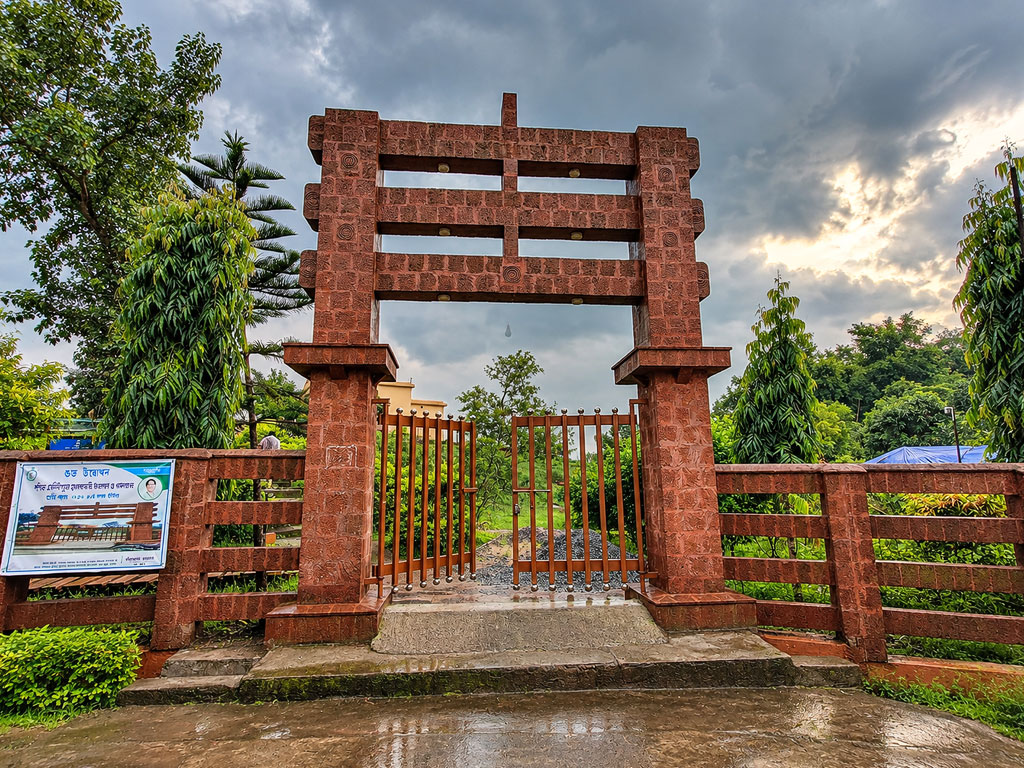
Nestled in the tranquil embrace of southwestern Bengal, Mogalmari stands as a serene witness to the passage of time, where ancient whispers merge seamlessly with the vibrant pulse of modern life. Once the revered seat of a flourishing Buddhist monastery, this sacred land continues to resonate with the echoes of enlightenment, history, and culture. But Mogalmari today is not merely a relic of the past-it is a living, breathing mosaic of heritage and hope.
The village, with its lush green fields stretching to meet the horizon, is a haven for those seeking solace in simplicity. Its narrow lanes meander through clusters of mud-brick houses, where the aroma of freshly cooked rice mingles with the gentle rustle of palm leaves swaying in the breeze. Life here is unhurried, yet purpose-driven, as the villagers uphold age-old traditions with quiet pride. At the heart of Mogalmari stands the excavated ruins of the ancient monastery, a silent testament to its glorious past. The meticulously conserved site, with its prayer halls, votive stupas, and intricate terracotta plaques, continues to attract scholars, pilgrims, and curious travelers alike. Each carved panel, each unearthed relic, tells a story—a story of faith, wisdom, and the timeless quest for truth.
Yet, Mogalmari today is not just about the ruins. The Mogalmari Buddhist Association, a dedicated custodian of this heritage, has transformed the village into a hub of cultural and educational activities. Regular workshops, guided tours, and annual festivals breathe new life into ancient teachings, making the wisdom of the past accessible to a new generation. Education and community welfare remain at the forefront of Mogalmari’s present identity. Schools and cultural centers nurture young minds, while local artisans continue to craft exquisite terracotta and handicrafts, preserving skills passed down through generations. Mogalmari is a place where the ancient and the contemporary dance together in perfect harmony. It is where the silent chants of monks from centuries ago seem to echo through the lush fields, and where the laughter of children playing in the courtyard speaks of a bright future.
Mogalmari today is not just a place – it is a journey, a feeling, a bridge between the wisdom of the past and the promise of tomorrow.
Mogalmari Today: A Revitalized Center of Heritage and Learning
Mogalmari, once a flourishing center of Buddhist learning in ancient Bengal, stands today as a significant spiritual and archaeological site, undergoing a process of revitalization and transformation. The Mogalmari Buddhist Association plays a crucial role in this ongoing journey, working to preserve the site’s rich heritage, promote its cultural and historical significance, and establish it as a vibrant hub for Buddhist study, pilgrimage, and cultural exchange.
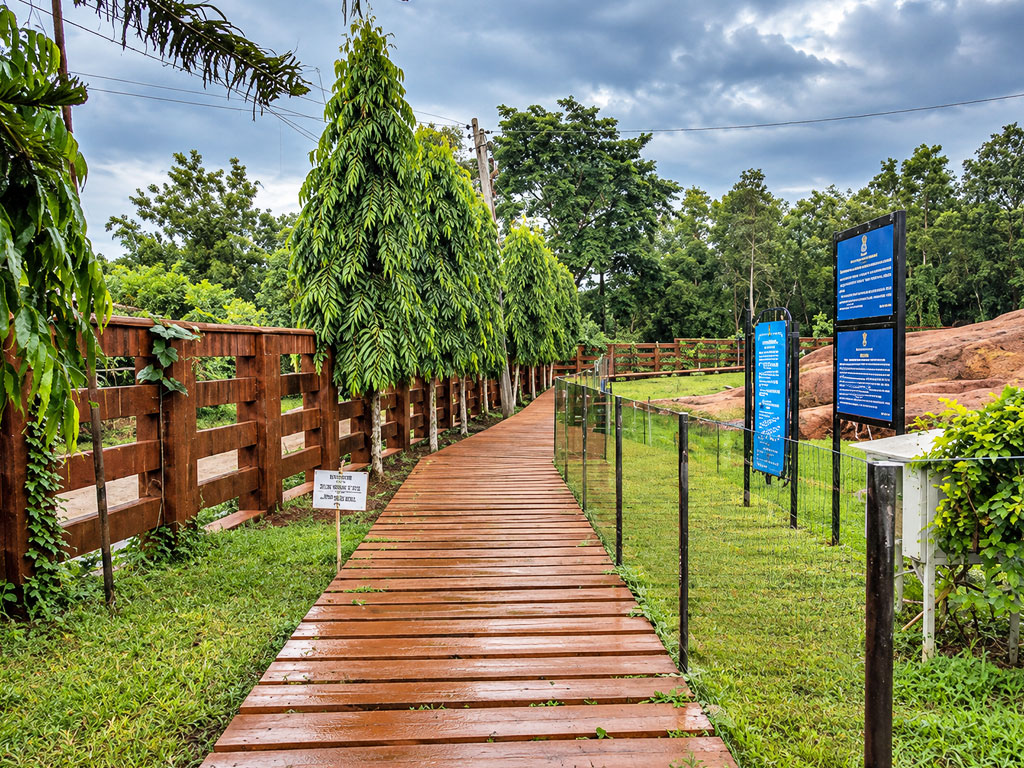
Mogalmari as a Heritage Site
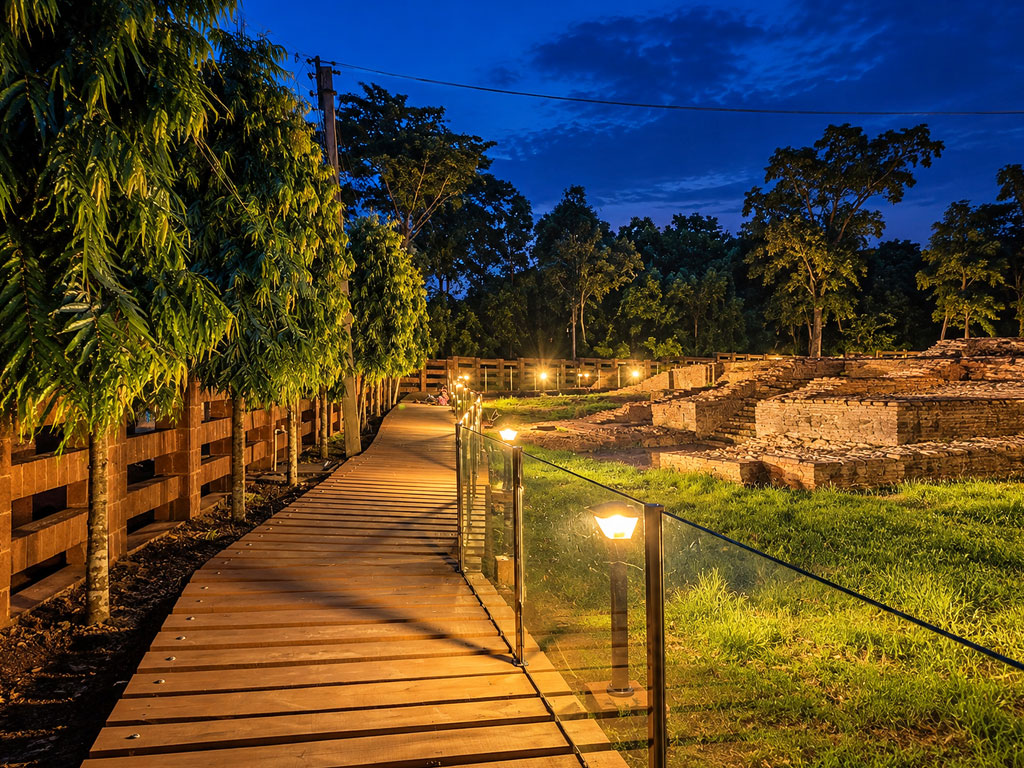
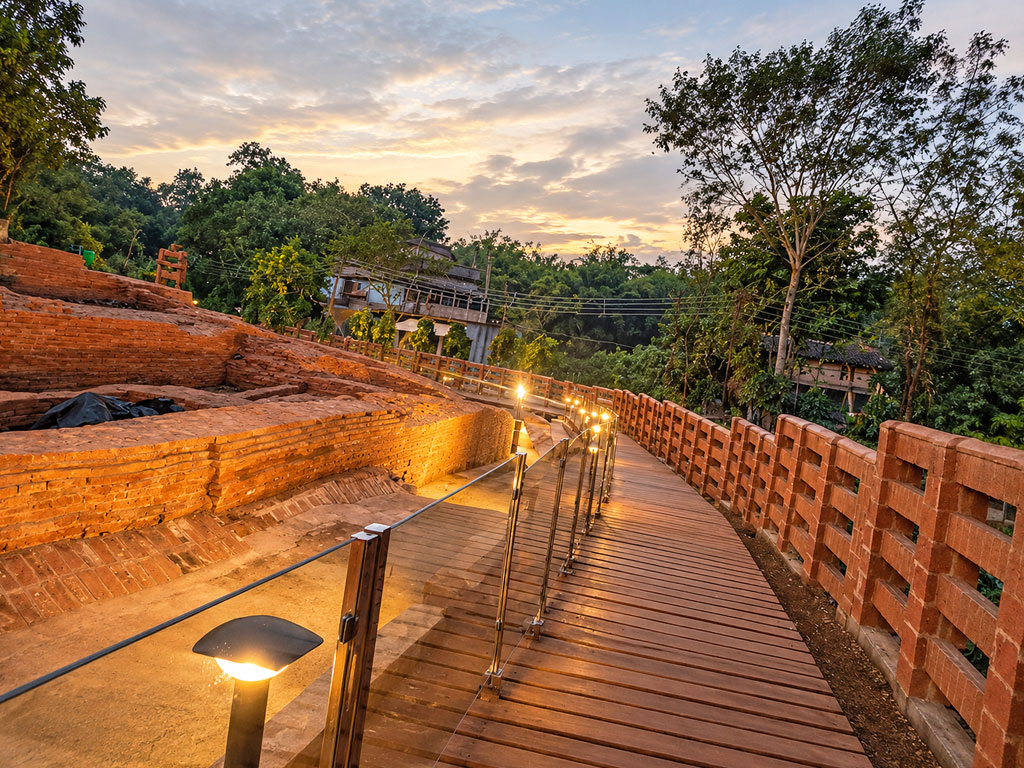
Today, Mogalmari is recognized as one of the oldest and most important Buddhist sites in West Bengal. The archaeological discoveries made at the site, including the 6th-century monastery, votive stupas, and a remarkable collection of bronze images, have solidified its place in the history of Buddhism in India.
The site attracts visitors from across India and around the world, particularly Buddhist pilgrims and those interested in exploring India’s rich cultural and religious heritage. Its proximity to Kolkata’s international airport makes it relatively accessible for global tourists, especially those from Southeast Asia, where Buddhism has a strong following.
The Role of the Mogalmari Buddhist Association
The Mogalmari Buddhist Association is at the forefront of efforts to preserve and promote the site. The Association plays a vital role in:
- Site Preservation and Conservation: The Association works to protect the Mogalmari site from the threats of erosion, development, and neglect. This involves collaborating with archaeological experts, government agencies, and local communities to ensure the long-term preservation of the site and its artifacts.
- Promoting Education and Research: The Association supports and facilitates scholarly research on the site’s history, archaeology, and Buddhist significance. It also organizes educational programs, workshops, and seminars to promote awareness of Buddhist teachings and their relevance to contemporary society.
- Cultural Promotion: The Association organizes cultural events and festivals to celebrate the rich heritage of Mogalmari and its connection to Buddhism. These events aim to raise awareness about the site and its cultural significance among a wider audience.
- Community Engagement: The Association works closely with local communities to ensure their involvement in the preservation and sustainable development of the site. This approach recognizes the importance of community participation in safeguarding cultural heritage and promoting economic opportunities.
- Developing Infrastructure: Efforts are underway to develop necessary infrastructure at the site to accommodate visitors and facilitate research. This includes improving access roads, providing visitor facilities, and establishing research centers.
Mogalmari as a Tourism Destination
Mogalmari has significant potential to become a major tourist destination, particularly for Buddhist pilgrims. The Mogalmari Buddhist Association is actively working to promote the site as part of a larger Buddhist tourism circuit that includes other important sites in the region.
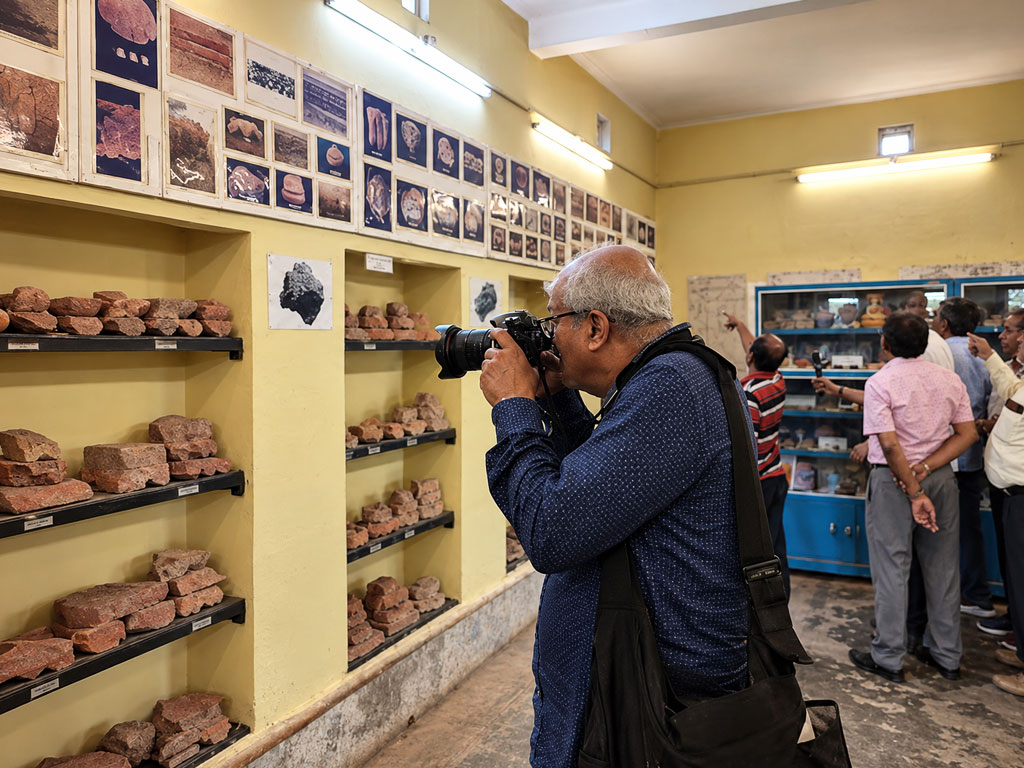
The development of a Tamralipta-Mogalmari-Dantapur Buddhist Tour Circuit, connecting key Buddhist sites in West Bengal and Odisha (such as Udayagiri, Lalitgiri, Ratnagiri, and Pushpagiri), is seen as a way to significantly boost spiritual tourism and raise awareness of Eastern India’s rich Buddhist legacy.
Challenges and Opportunities
Despite the progress made, Mogalmari faces several challenges:
- Limited Resources: Funding and resources for site preservation, research, and development are often limited.
- Infrastructure Development: The site requires further development of infrastructure to accommodate the growing number of visitors and researchers.
- Awareness and Promotion: Greater efforts are needed to raise awareness about Mogalmari and its significance, both within India and internationally.
However, there are also significant opportunities:
- Growing Interest in Buddhism: There is a growing global interest in Buddhism and its teachings, which can drive increased tourism to Mogalmari.
- Government Support: The Indian government is increasingly recognizing the importance of preserving and promoting cultural heritage sites, which can lead to increased support for Mogalmari.
- International Collaboration: Collaboration with international organizations and institutions can provide access to expertise and resources for site preservation and development.
The Future of Mogalmari
The Mogalmari Buddhist Association envisions a future where Mogalmari is a thriving center for:
- Buddhist Pilgrimage: Attracting Buddhist pilgrims from around the world to experience the site’s spiritual significance.
- Scholarly Research: Serving as a hub for academic research on Buddhist history, archaeology, and philosophy.
- Cultural Exchange: Facilitating cultural exchange and dialogue between different Buddhist traditions and communities.
- Sustainable Development: Promoting sustainable tourism and development that benefits local communities and ensures the long-term preservation of the site.
In conclusion, Mogalmari today is a site of immense historical and spiritual significance, undergoing a process of revitalization. The Mogalmari Buddhist Association is playing a central role in preserving its heritage, promoting its cultural value, and developing its potential as a global center for Buddhist learning and pilgrimage.