Traverse seven centuries of heritage in one transformative journey. This 2N/3D immersive tour bridges Buddhist archaeology (6th-12th century CE at Mogalmari) with the terracotta temple splendor of Malla dynasty Bengal (17th-18th centuries in Bankura and Bishnupur). Ideal for heritage scholars, cultural pilgrims, multigenerational families, and travelers seeking authentic Bengal beyond the capital.
DAY TRIP ITINERARY
DAY 1: KOLKATA TO MOGALMARI TO BANKURA
Very Early Morning Departure from Kolkata (5:00 AM to 5:30 AM)
Depart from your Kolkata hotel via AC private vehicle southwestward toward Kharagpur. Complimentary morning tea, coffee, and light snacks provided in the vehicle. Early departure maximizes exploration time at Mogalmari before the afternoon transfer to Bankura.
Journey overview: Kolkata to Kharagpur via NH-6 (approximately 120 km, 2 to 2.5 hours).
Mid-Morning Arrival at Kharagpur and Site Orientation (8:00 AM to 8:25 AM)
Brief 20-minute stop in Kharagpur town for refreshment and site briefing. Your archaeological guide explains Mogalmari’s significance as West Bengal’s largest excavated Buddhist monastery complex (6th-12th century CE), preparing you for intensive on-site engagement.
Late Morning Travel to Mogalmari (8:25 AM to 9:55 AM)
Northeastward journey via NH-16 to Mogalmari Bauddha Mahavihara (approximately 63 km, 90 minutes).
Intensive Mogalmari Site Exploration (10:00 AM to 1:30 PM)
Total on-site engagement: Approximately 3.5 hours
Station 1: Sakhisena Mound and Excavation Zones (35 minutes)
Walk the primary mound revealing West Bengal’s largest monastic complex. Observe exposed brick structures, monastic cells, votive stupas, and artifact distribution patterns. Your guide explains the monastery’s two-phase construction (6th-7th century CE and later 11th-12th century rebuilding), how archaeological stratigraphy reveals abandonment cycles, and what material culture tells us about daily monastic life.
Station 2: The Stucco Wall and Decorative Programme (70 minutes)
Enter the protective plastic-covered structure housing the western wall. Close examination of intricate stucco figures, floral motifs, votive tablets, and life-size sculptural forms depicting Buddha, Bodhisattvas, celestial beings, and syncretic deities (Jambala, Saraswati). The guide interprets stucco as a medium, Vajrayana iconography, and artistic connections to Nalanda monastery. Steep metallic staircase (with handrails and assistance available) provides intimate access to details.
Station 3: On-Site Museum and Artifact Documentation (50 minutes)
Visit the club-converted museum atop Sakhisena mound. Examine bronze Buddhist statuary (6th century CE), votive tablets, seals with post-Gupta Brahmi inscriptions, terracotta figurines, mixed-metal coins bearing King Samachardeva’s name (pre-Pala dynasty), gold pendants, and crown fragments. The guide clarifies evidence hierarchy: what is archaeologically verified versus scholarly interpretation.
Station 4: Pradikshana Path and Votive Stupas (25 minutes)
Walk the circumambulatory path revealed in 2012 excavations. Observe Buddhist ritual-use patterns and votive architecture. Optional silent circumambulation if aligned with pilgrim intent.
Lunch and Rest (1:15 PM to 1:45 PM)
Packed lunch at the site (vegetarian and non-vegetarian options). Rest in shaded area overlooking the mound and surrounding agricultural landscape.
Afternoon Transfer: Mogalmari to Bankura (1:45 PM to 5:15 PM)
Depart Mogalmari by 1:45 PM. Return to Kharagpur via NH-16 (90 minutes), then continue southeastward toward Bankura via state highways (approximately 100 km, 2 to 2.5 hours). Journey through rural rice belts, textile villages, and gradually ascending terrain as you approach the Rarh plateau region.
Total transfer distance: Approximately 150-160 km; approximately 3.5 to 4 hours combined driving.
Your guide provides comparative commentary on Buddhist and Hindu heritage trajectories in Bengal, bridging Mogalmari’s monastic past with Bankura’s later Malla dynasty temple culture.
Arrival at Bankura Accommodation (5:15 PM to 5:45 PM)
Check in at your pre-booked heritage hotel or resort in Bankura or Bishnupur area (options include Resort Banalata near Joypur Forest, Hotel Rajmahal, Hotel Sonar Bangla Susunia, Bishnupur Tourist Lodge, or equivalent 3 to 4-star property). Freshen up and settle into accommodation.
Evening Leisure and Reflection (6:00 PM to 8:00 PM)
Optional early evening activity:
Option A: Guided walk through Bishnupur town center. Observe terracotta artisan workshops, local markets, and architectural heritage en route to your accommodation. Understand Bishnupur’s role as a historical Malla dynasty capital and living cultural center.
Option B: Rest and prepare mentally for Day 2’s intensive temple exploration. Meditation or personal reflection on the contrasts between Mogalmari’s Buddhist monastic heritage and Bankura’s Hindu terracotta temple tradition.
Option C: Cultural briefing on the Malla dynasty, terracotta architecture, Baluchari saree weaving, and Bishnupur Gharana classical music (optional seminar for delegation groups).
Dinner at Hotel or Local Restaurant (7:30 PM to 9:00 PM)
Multi-cuisine dinner. Many accommodations offer authentic Bengali cuisine and regional specialties. Complimentary welcome refreshments.
Overnight Stay: Bankura or Bishnupur Area (Resort Banalata, Hotel Rajmahal, Hotel Sonar Bangla Susunia, Bishnupur Tourist Lodge, or equivalent 3 to 4-star property)
Amenities: AC rooms, attached bathrooms, hot water, complimentary breakfast, free WiFi, room service, parking, garden areas.
DAY 2: FULL-DAY BANKURA HERITAGE IMMERSION
Early Morning Optional Activity (6:00 AM to 7:30 AM)
Rise early for an optional sunrise walk through village surroundings or local temple premises (if accommodation permits). Experience the quiet beauty of Bankura’s rural landscape before daytime exploration intensifies.
Breakfast at Hotel (7:30 AM to 8:30 AM)
Substantial breakfast to fuel the day’s intensive temple and cultural exploration.
Day 2 Itinerary: Three Heritage Zones
This day is divided into three phases, each exploring distinct aspects of Bankura’s cultural legacy.
PHASE 1: BISHNUPUR TERRACOTTA TEMPLES AND MALLA DYNASTY HERITAGE (9:00 AM to 12:30 PM)
Drive from accommodation to Bishnupur: 15 to 30 minutes depending on hotel location
Station 1: Rasmancha Temple and ASI Ticketing (45 minutes)
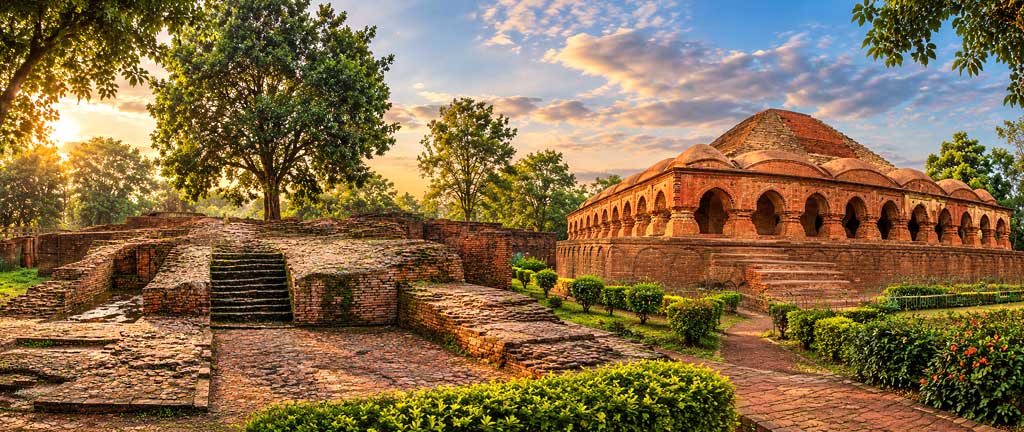
Arrive at Rasmancha, the oldest brick temple in Bishnupur (built 1600 CE by King Bir Hambir). Obtain ASI entry ticket (Rs. 5 per person; single ticket covers Rasmancha and Jor-Bangla temple). Explore this architectural masterpiece.
Key interpretive points:
- Unique pyramidal terracotta structure, unlike any other in Bengal and India
- Square laterite plinth (24.5m x 24.5m), brick superstructure 12.5m high
- 40 supporting pillars and arches on four sides, decorated with floral and human-figure terracotta work
- Three consecutive circumambulatory galleries with terracotta lotus motifs and passageways
- Historical function: Pavilion for housing idols of Lord Krishna during annual Ras festival (held until 1932)
- Architectural significance: represents the flowering of Bengali terracotta craft during 17th century Malla period
- Night illumination creates dramatic visual effect; plan for evening revisit if time permits
Allow 45 minutes for thorough exploration, photography, and guide interpretation.
Station 2: Jor-Bangla Twin Shrine Temple (40 minutes)
Walk to Jor-Bangla (twin shrines), an adjacent ASI-protected monument built during the Malla period. Interpret architectural innovation:
- Twin-shrined design (unique in Bishnupur temple tradition)
- Decorative terracotta tiles depicting stories from Ramayana and Mahabharata
- 17th-18th century craft sophistication
- Guide explains the symbolic meaning of narrative panels and their role in popular religious education
Station 3: Mrinmoyee Temple and Earlier Hindu Antiquity (25 minutes)
Visit Mrinmoyee temple, the oldest temple in Bishnupur (established 997 CE by King Jagat Malla, according to legend and local historical records). This temple predates Mogalmari’s major construction phases by several centuries, providing historical context for continuity of ritual practice in Bengal.
Explore terracotta work, stone carvings, and the temple’s role in Bishnupur’s religious landscape.
Station 4: Shyam Ray Temple and Terracotta Ornamentation (30 minutes)
Visit Shyam Ray Temple, another significant Malla-period structure known for its intricate terracotta work and architectural elegance. Observe how terracotta decoration evolved across different Malla-era temples, each reflecting distinct artistic schools and patron preferences.
Lunch Break at Bishnupur (12:30 PM to 1:30 PM)
Lunch at a local restaurant specializing in authentic Bengali cuisine. Sample regional specialties (luchi, alur dom, fish curry, sweet offerings). Opportunity to interact with local vendors and artisans if desired.
PHASE 2: CULTURAL AND ARTISTIC HERITAGE (1:45 PM to 4:00 PM)
Option A: Baluchari Saree Weaver Workshops and Textile Heritage (90 minutes)
Visit active Baluchari saree weaving workshops in or near Bishnupur. Baluchari sarees are among India’s most exquisite handloomed textiles, featuring intricate silk work with narrative scenes woven into the fabric (similar to tapestry).
Interpretive focus:
- Traditional weaving techniques passed down through generations (pre-industrial, labor-intensive)
- Silk strands dyed separately, then interwoven
- Narrative panels depicting scenes from Hindu mythology, daily life, or contemporary stories
- Economics of hand-loom textiles in the modern market (challenges, sustainability, cultural preservation)
- Opportunity to purchase directly from weavers, supporting traditional artisans
Allow informal time for travelers to ask weavers about their craft, see textiles in progress, and select pieces if interested.
Option B: Terracotta Crafts and Bankura Horse Studios (90 minutes)
Visit local terracotta craft studios and Bankura Horse artisan workshops. The Bankura Horse is Bankura’s most internationally recognized art form: a hand-modeled terracotta horse sculpted without wheel or mold, standing approximately 1 to 3 feet tall.
Interpretive focus:
- Unique sculptural technique: horses are hand-molded from local red clay using ancient methods
- Distinctive aesthetic: abstract, stylized form reflecting folk artistic tradition
- Historical roots: possibly dating back centuries in rural Bankura culture
- Contemporary artisans: meet master craftspeople who continue the tradition
- Symbolism: represents strength, fertility, and regional cultural identity
- Price range: affordable art pieces (Rs. 200 to 5,000+ depending on size and intricacy)
Opportunity to watch artisans at work, commission custom pieces, or purchase finished sculptures.
Option C: Dashabatar Tash and Malla School of Painting (90 minutes)
Explore the Malla School of Painting and Dashabatar Tash (historic paintings). Bishnupur developed its own unique school of painting, paralleling its classical music tradition. Visit studios, museums, or art collections displaying traditional and contemporary works inspired by this heritage.
Interpretive focus:
- Dashabatar Tash: narrative paintings depicting the ten avatars of Vishnu
- Malla-period artistic patronage: how royal courts supported painters, musicians, and sculptors
- Artistic lineage: continuity of style and technique across centuries
- Contemporary revival: modern artists preserving and reinterpreting traditional motifs
Your guide can recommend the most active and accessible workshops or museums.
Note: Travelers should indicate preference for Option A, B, or C during tour confirmation, or the guide can adapt based on group interests.
Tea and Refreshment Break (3:30 PM to 4:00 PM)
Rest and prepare for Phase 3.
PHASE 3: NATURAL AND PANORAMIC HERITAGE (4:15 PM to 6:30 PM)
Option A: Susunia Hill and Oldest Rock Inscription in Bengal (4:15 PM to 6:30 PM)
Drive to Susunia Hill (approximately 20 km from Bishnupur, 45-minute journey). Susunia is Bankura district’s most significant natural and archaeological landmark.
Interpretation:
- Elevation: approximately 1,500 feet above sea level; tallest hill in the region
- Geological significance: Part of Eastern Ghats, red laterite soil with dense sal forest
- Paleontological history: Fossils of Asiatic lions, giraffes, hyenas, and other megafauna discovered here (evidence of prehistoric Bengal’s fauna diversity)
- Archaeological importance: Contains the oldest known rock inscription in Bengal (dates vary in scholarly literature; some claim Brahmi script inscriptions from pre-Maurya or Maurya periods)
- Botanical diversity: Medicinal plants, rare forest species
- Trekking opportunities: Well-maintained paths to summit; 45-minute moderate trek
- Panoramic views: From hilltop, observe the Rarh plateau landscape, surrounding forests, and distant horizons
Trekking activity (approximately 90 minutes round-trip including summit rest):
- Begin trek from base (elevation gain approximately 600-700 feet)
- Path winds through sal forest, scenic clearings, and rock formations
- Summit offers 360-degree views
- Opportunity for group meditation, photography, or quiet reflection
- Optional: Natural spring water sourced from Susunia’s natural springs (believed to have medicinal properties by locals)
Return to accommodation by 7:00 PM.
Option B: Mukutmanipur Dam and River Confluence (Alternative if Susunia not preferred)
Drive to Mukutmanipur (approximately 50 km from Bishnupur), located at the confluence of Kangsabati and Kumari rivers. Mukutmanipur is home to India’s second-largest earthen dam.
Interpretation:
- Dam engineering: Historic earth-work dam construction, hydraulic management
- River ecology: Importance of Kangsabati and Kumari rivers in Bengal’s water systems
- Tribal heritage: Mukutmanipur region home to Santhal, Bhumij, and other tribal communities
- Traditional dance and music: Witness or learn about tribal dance forms (Pata, Dasai, Ranpa, Karam, Raibeshe, Jhumur)
- Traditional instruments: Dhamsa, Kendra, Madal
- Scenic landscape: Riverside views, dam infrastructure, natural beauty
Note: This option is more relaxed (less physical activity) and offers cultural immersion over trekking.
Your guide can recommend based on group fitness levels, interests, and time availability.
Dinner at Hotel or Local Restaurant (7:30 PM to 9:00 PM)
Authentic Bengali dinner. Many accommodations feature local culinary specialties.
Evening Optional Activity (After Dinner, 9:00 PM to 10:00 PM)
Option A: Guided meditation or reflection session consolidating Day 2’s heritage engagement.
Option B: Informal gathering to share experiences, photographs, and insights from the day’s exploration.
Option C: Early rest for Day 3 departure.
Overnight Stay: Bankura or Bishnupur Area (Same accommodation as Day 1)
DAY 3: RETURN TO KOLKATA
Early Morning Activity (Optional, 6:00 AM to 7:30 AM)
Rise early for final sunrise walk through village or temple grounds. Quiet personal reflection on two days of heritage immersion.
Breakfast at Hotel (7:30 AM to 8:30 AM)
Substantial breakfast. Check out of accommodation.
Departure from Bankura toward Kolkata (8:45 AM to 9:00 AM)
Northwestward journey toward Kolkata via state highways and NH-6 (approximately 150 to 160 km, 3.5 to 4 hours depending on route and traffic).
Journey routing:
- Bankura/Bishnupur to Medinipur area via state highways (approximately 100 km, 2 to 2.5 hours)
- Medinipur to Kharagpur via NH-16 (approximately 40-50 km, 1 to 1.5 hours)
- Kharagpur to Kolkata via NH-6 (approximately 120 km, 2 to 2.5 hours)
Scenic and Refreshment Stops (As Needed)
Brief halts at roadside restaurants or scenic viewpoints. Restroom breaks. Tea or light refreshments.
Your guide provides final reflective commentary on the tour’s themes: Buddhist monastic heritage, Malla dynasty temple splendor, folk arts and crafts, and Bengal’s multi-layered cultural identity.
Arrival in Kolkata (1:00 PM to 2:30 PM)
Drop-off at your original pickup location (hotel, airport, or railway station) by early afternoon. Tour concludes.
Note: If dropping off at Netaji Subhas Chandra Bose International Airport for afternoon/evening flights, confirm departure time; allow additional 30 to 45 minutes transit buffer depending on airport traffic and distance.
TOUR HIGHLIGHTS
- Mogalmari Bauddha Mahavihara: West Bengal’s largest excavated Buddhist monastery complex (6th-12th century CE)
- Sakhisena Mound: Primary excavation revealing two-phase monastic construction
- Stucco Wall Complex: Vajrayana-period decorative sculpture with Gupta artistic influence
- Archaeological Artifacts: Bronze deities, votive tablets, seals, inscriptions, gold objects
- Pradikshana Path: Buddhist circumambulatory route and votive stupas
- Rasmancha Temple: Oldest brick temple in Bishnupur (1600 CE), unique pyramidal terracotta structure
- Jor-Bangla Twin Shrine: Twin-temple architectural innovation
- Mrinmoyee Temple: Medieval Bishnupur sacred center (established 997 CE)
- Shyam Ray Temple: Terracotta ornamentation masterpiece
- Terracotta narrative tiles depicting Ramayana and Mahabharata stories
- Baluchari Sarees: Handloomed silk textiles with narrative woven panels, direct from artisan workshops
- Bankura Horse: Iconic terracotta folk sculpture, meeting master craftspeople
- Malla School of Painting and Dashabatar Tash: Historic painting traditions
- Bishnupur Gharana: Classical music heritage (contextual, may include recordings or live performance if available)
- Susunia Hill: Oldest rock inscriptions in Bengal, paleontological fossil sites, trekking, panoramic views
- Mukutmanipur Dam: India’s second-largest earthen dam, river confluence landscape, tribal cultural heritage
- Buddhist monastic tradition (6th-12th century CE, Mogalmari) versus Hindu temple-building tradition (17th-18th century CE, Malla Bishnupur)
- Archaeological evidence versus oral tradition and legendary histories
- Medieval and early modern Bengal’s multi-faith cultural landscape
TOUR INCLUDES
- Ex. Your Kolkata Hotel, Kolkata Airport, or Kolkata Railway Station (Pickup and drop-off)
- AC Private Vehicle throughout (2 nights, 3 days; approximately 600+ km total)
- Professional Archaeological Guide specializing in Buddhist heritage, excavation interpretation, and regional history (Days 1-2)
- Professional Heritage and Cultural Guide specializing in Malla dynasty, terracotta temple architecture, and Bankura cultural traditions (Days 2-3)
- Two Nights Accommodation:
- Night 1 (Day 1-2): Selected 3 or 4-star heritage hotel or resort in Bankura or Bishnupur area (AC rooms, attached bathrooms, complimentary breakfast)
- Daily Breakfast at accommodation (Days 2-3)
- Complimentary Tea and Light Snacks: Morning pickup and transit breaks
- Packed Lunch at Mogalmari site (Day 1, vegetarian and non-vegetarian options)
- Lunch at Bishnupur or Bankura restaurant (Day 2, authentic Bengali cuisine)
- All Sightseeing: Mogalmari Bauddha Mahavihara, Bishnupur terracotta temples, cultural workshops or heritage sites as per Day 2 selection
- Mogalmari Site Entry and Museum Access
- Bishnupur Temple Entry Fees (Rasmancha and Jor-Bangla ASI monument tickets)
- Baluchari saree weaver, Bankura Horse studio, or Malla painting school access (Day 2, selected option)
- Susunia Hill trek or Mukutmanipur dam visit (Day 3 morning alternative)
- All Local Transfers: Hotel to site, inter-site transport, return to hotel
- Parking and Access Fees at all locations
TOUR EXCLUDES
- GST (5% on total invoice amount, added at billing)
- Card Charges (3% if applicable)
- Air Fare or Train Fare to/from Kolkata
- Dinner on Days 1-2 (available at hotel/restaurant at guest’s cost)
- Baluchari saree or Bankura Horse purchases (optional artisan products; not included but available for purchase)
- Travel Insurance
- Personal Expenses (tips, beverages beyond complimentary offerings, souvenirs, meals at transit stops)
- Contingency Expenses
- Whatever is Not Mentioned in Tour Includes
BEST TIME TO VISIT
- October to March (Cool, dry season; ideal for daylong outdoor exploration and photography)
- Daytime temperatures: 18 to 28 degrees Celsius
- October-November and February-March: Peak season (comfortable weather, clear skies)
- Minimize: May to September (monsoon season; site muddy; extreme heat and humidity; limited comfort for full-day activity)
- Special Note: Mogalmari excavations are ongoing; site accessibility and conditions may vary seasonally. Confirm with operator one week before departure.
IMPORTANT INFORMATION
- Moderate fitness level required: Multiple hours of walking on uneven terrain, steep stairs descent/ascent
- Stucco wall exploration involves steep metallic staircase (handrails present; staff assistance available for elderly or mobility-limited visitors)
- Mounds feature uneven surfaces; sturdy, closed-toe footwear is essential
- Not recommended for travelers with severe mobility limitations or knee/joint issues
- Sturdy walking shoes (closed-toe, good ankle support)
- Sun hat or cap
- Sunscreen (SPF 30+)
- Water bottle (minimum 1.5 liters; refills available)
- Light sweater or jacket (early morning and evening can be cool)
- Backpack for personal items
- Camera (optional but recommended)
- Phone charger and power bank
- Any personal medications
- Comfortable, casual clothing appropriate for outdoor exploration
- Avoid very revealing or culturally insensitive attire (Buddhist site; modest dress appreciated)
- Layers recommended (morning cool; midday warm)
- Packed lunch provided; sufficient for most travelers
- Complimentary tea, coffee, and light snacks at departure and transit stops
- Bring extra water or electrolyte drink for personal hydration management
- No commercial food vendors at the Mogalmari site; plan accordingly
- Permitted at most Mogalmari zones
- Respect any conservation-restricted areas flagged by your guide
- Ask permission before photographing local villagers or school children
- Stucco wall photography: Flash not recommended (protective structure and artifact preservation)
- Mobile coverage patchy near Mogalmari; inform family/office before tour
- Carry guide’s contact number for emergencies
- Vehicle equipped with first-aid kit and emergency communication system
- Travel during daylight hours only (departure 5:30 AM; return by 7:30 PM)
- This is a full-day commitment with significant driving time (8+ hours)
- Recommend light dinner evening before tour to prepare for early morning start
- Not advisable for travelers with severe fatigue, health conditions requiring frequent rest, or inability to commit to a long active day
- Suitable for daytrippers, scholars, motivated pilgrims, and physically active travelers